
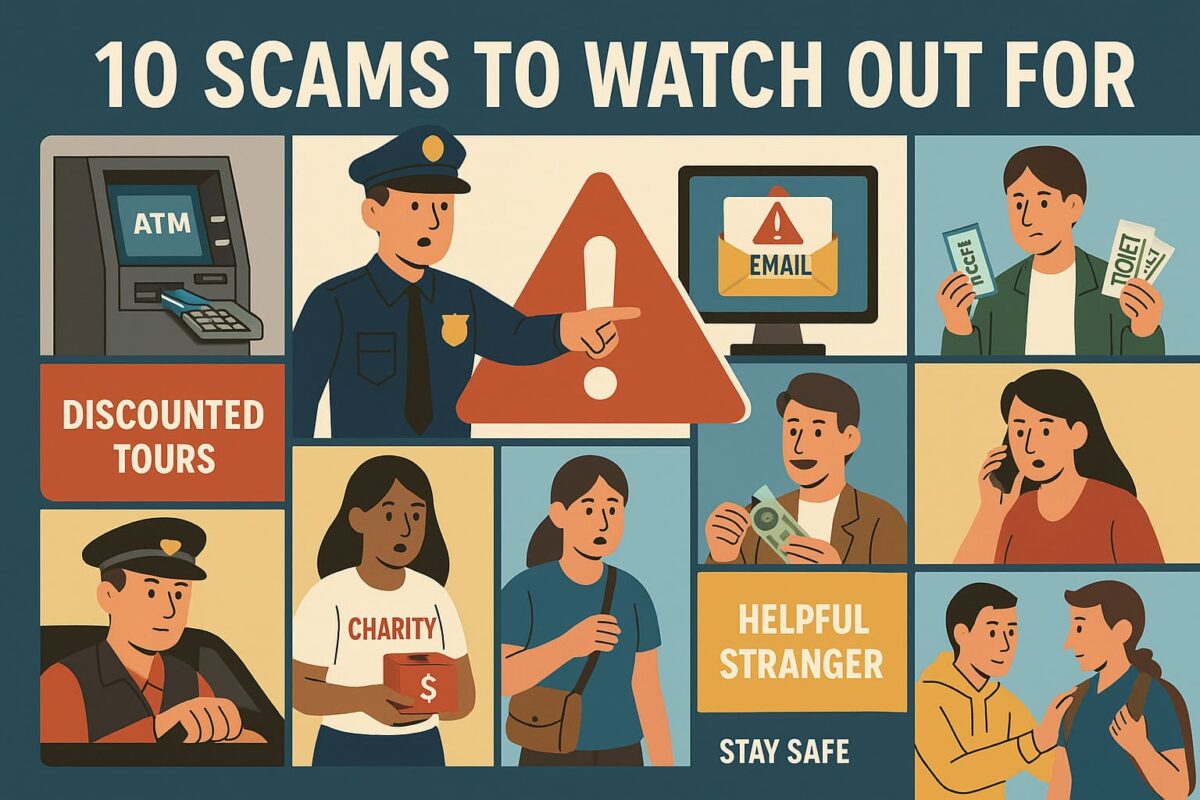
Vietnam is a popular travel destination offering unique and diverse experiences. However, like many countries with a growing tourism industry, some scams still occur—especially in major cities and popular tourist areas. Being aware of common risks can help ensure a safe, comfortable, and enjoyable journey.
Here are ten of the most common scams tourists may encounter in Vietnam, along with practical tips on how to avoid them.
1. Taxi and Motorbike Taxi Scams
Description:
Some drivers may use tampered meters, take longer routes, or avoid using meters altogether to overcharge passengers. These scams are most common at airports, train stations, and crowded tourist areas.
How to avoid:
- Use reliable ride-hailing apps such as Grab or Be.
- Avoid hailing taxis on the street, especially in unregulated areas.
- If you must take a taxi, ask for the fare in advance and ensure the meter is used. If the driver refuses, it’s best not to proceed.
2. Motorbike Rental Scams
Description:
Some rental shops provide low-quality bikes or set up traps to blame renters for existing damage, demanding compensation.
How to avoid:
- Inspect the motorbike carefully and take photos of any visible damage before renting.
- Always ask for a clear and written rental agreement.
- Rent only from businesses with positive reviews on platforms like Google or TripAdvisor, or those recommended by your hotel.
3. Money Exchange Scams
Description:
Unlicensed money exchangers may offer low exchange rates, swap bills for lower denominations, or even give counterfeit currency.
How to avoid:
- Exchange currency only at licensed banks, official exchange counters, or reputable locations inside shopping centers.
- Count the money carefully in front of the staff before leaving.
- Avoid exchanging money on the street or at unnamed kiosks.
4. Impersonation Scams
Description:
Some individuals may pose as police officers, hotel staff, or tour guides to check passports or collect unauthorized fees.
How to avoid:
- Always ask to see official identification or badges.
- If in doubt, contact your hotel reception or call your embassy’s emergency number to verify.
5. Street Vendor Photo Scams
Description:
Vendors may invite tourists to pose with traditional props (e.g., carrying poles, conical hats) and then demand payment or pressure them into buying overpriced items.
How to avoid:
- Politely decline offers if you do not intend to pay.
- Avoid close interaction in crowded areas such as Hoan Kiem Lake (Hanoi) or the Ancient Town of Hoi An.
6. Shoe Cleaning Scams
Description:
Some individuals may begin cleaning tourists’ shoes without consent and then demand a high fee for the service.
How to avoid:
- Decline any unrequested service.
- Avoid leaving shoes exposed while sitting outdoors, especially at sidewalk cafes.
7. Shopping Scams
Description:
Some shops may sell counterfeit or poor-quality products at inflated prices, especially in tourist-heavy zones.
How to avoid:
- Shop at places with visible pricing and good customer reviews.
- Request a receipt for any valuable purchase.
- Do not hesitate to walk away if you feel pressured or uncomfortable.
8. SIM Card and Public Wi-Fi Scams
Description:
Some vendors sell non-functional SIM cards or data packages that differ from what was advertised. Free public Wi-Fi may also be used to steal personal information.
How to avoid:
- Buy SIM cards at official counters of major carriers such as Viettel, Mobifone, or Vinaphone, located at airports or in city centers.
- Alternatively, order online in advance and pick up at the airport for better prices.
- Avoid connecting to open, unverified Wi-Fi networks.
9. Hotel and Tour Booking Scams
Description:
Some individuals or unofficial agencies advertise misleading hotel or tour information, take deposits, and then fail to deliver the promised service.
How to avoid:
- Book through trusted platforms such as Booking.com, Agoda, Klook, or GetYourGuide.
- Read reviews from verified travelers.
- Avoid making direct payments through unsecured methods.
10. Romance Scams
Description:
Scammers may build online relationships with tourists, then take advantage of their trust to request money, gifts, or personal information.
How to avoid:
- Be cautious of relationships that progress too quickly, especially when financial help is requested.
- Never share sensitive information with someone you have not met in person.
Final Notes
While these scams are not experienced by all visitors, understanding common tactics and preparing in advance can greatly reduce the risk. Staying alert and informed will help ensure a safe and enjoyable experience while traveling in Vietnam.
