
Son La

loader-image
London, GB
9:43 pm, Oct 31, 2026
temperature icon 8°C
broken clouds
Humidity: 94 %
Pressure: 1032 mb
Wind: 3 mph
Wind Gust: 6 mph
Clouds: 69%
Visibility: 8.112 km
Sunrise: 6:51 am
Sunset: 4:36 pm

OVERVIEW OF SON LA

High in Vietnam’s northwest mountains, Son La is a land of vast horizons, terraced hills, and deep cultural roots. The cool climate, fragrant highland breezes, and colorful traditions of local ethnic groups create an atmosphere both serene and soulful. Life here moves with the rhythm of nature — unhurried, grounded, and full of quiet wonder. Whether you come for the scenery or stay for the stories, Son La offers an unforgettable journey into Vietnam’s wild and beautiful heart.
TOP ATTRACTIONS

Ta Xua Peak (Bac Yen)

View Guide

Moc Chau Plateau

View Guide

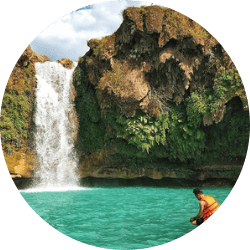
Dai Yem Waterfall

View Guide

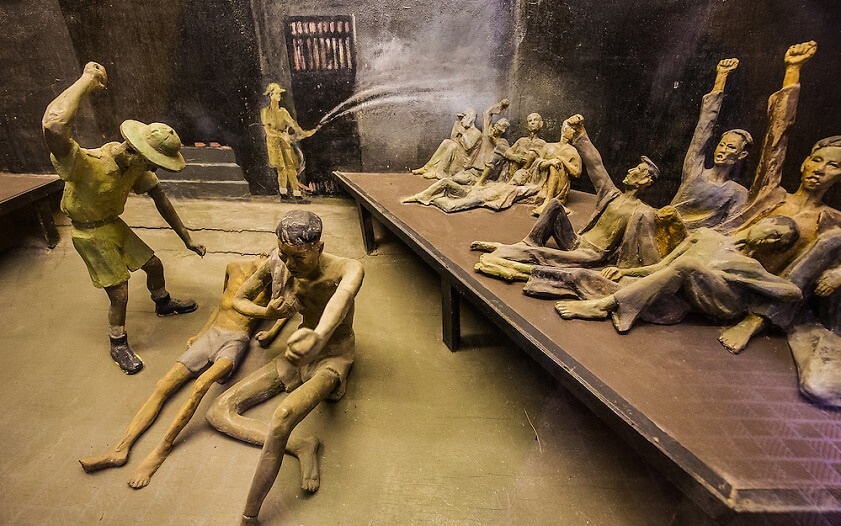
Son La Prison

View Guide

USEFUL INFORMATION

abcabc

💰 Currency

  • Official currency: Vietnamese Dong (VND)
  • Most local shops and street food vendors only accept cash
  • Credit cards accepted in larger hotels, malls, and some restaurants
  • ATMs are widely available in tourist areas

📶 SIM & Internet

  • SIM cards available at Noi Bai Airport, convenience stores, or mobile shops
  • Top providers: Viettel, Mobifone, Vinaphone
  • 4G/5G coverage is strong in Hanoi; plans are cheap
  • Free Wi-Fi available in most cafes, hotels, and restaurants

🚕 Getting around

  • Use ride-hailing apps like Grab, Xanhsm, Be to get around
  • Walking is the best way to explore the Old Quarter
  • There are electric buses and public buses, but signs are in Vietnamese
  • Be careful with taxi meters

🙏 Local Etiquette

  • Remove shoes when entering homes or temples
  • Dress modestly at religious sites (shoulders and knees covered)
  • Avoid loud talking in sacred places
  • Smiling and polite gestures go a long way in Vietnam

LOCAL CUISINE – WHAT TO EAT IN HANOI

🟡 Son La’s cuisine is a rich blend of highland flavors, ethnic traditions, and natural ingredients gathered from mountains and forests. Meals are hearty, smoky, and often wrapped in the spirit of community. Here, you’ll taste wild herbs, grilled meats, and age-old recipes passed down through generations of Thai and Hmong families. Eating in Son La is a warm invitation to explore the culture not just through sights — but through flavors you’ll remember long after.

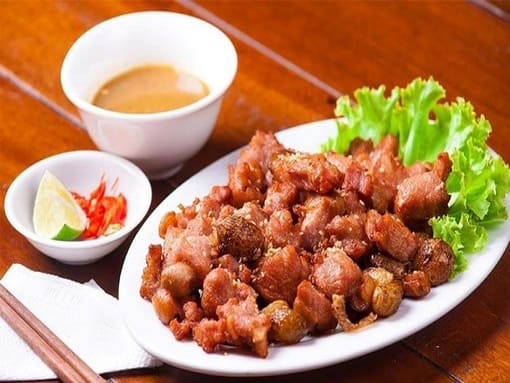
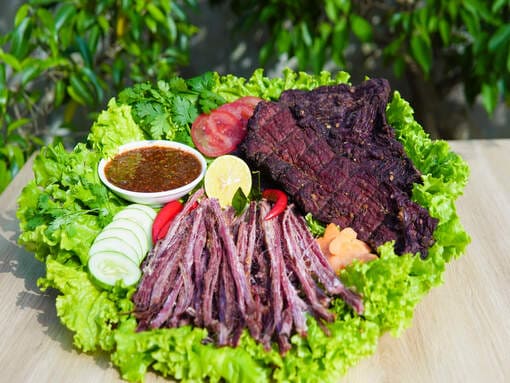
🍗 Thịt Trâu Gác Bếp (Smoked Buffalo Meat – Traditional Thai Style)
🍚 Cơm Lam (Sticky Rice Cooked in Bamboo Tubes)
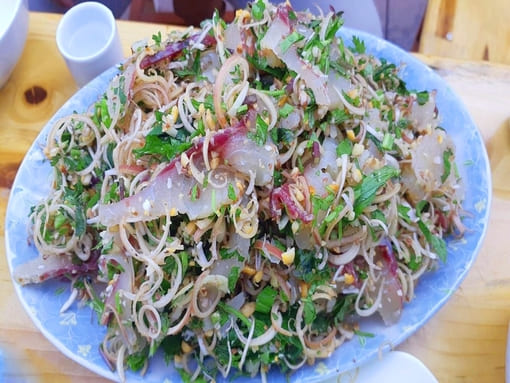
🥗 Nậm Pịa (Savory Soup Made from Herbs and Animal Organs – Unique to Ethnic Groups)
🥬 Rau Rừng Chấm Trứng (Wild Boiled Greens with Egg Dip)
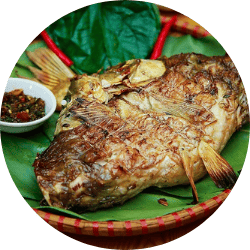
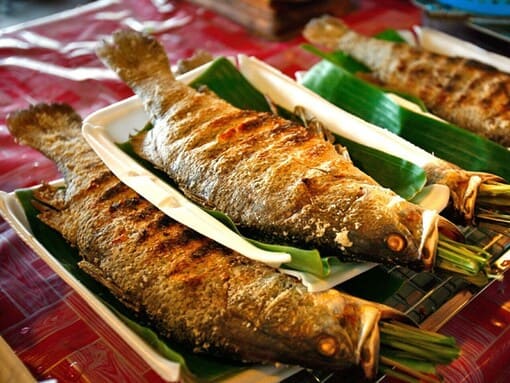
🐟 Cá Suối Nướng (Grilled Stream Fish with Forest Herbs)
🍶 Rượu Cần (Fermented Rice Wine – Shared from a Clay Jar)

See Details

🍽️ Tap here to discover the best local food spots — with videos, maps, and traveler-friendly info.

 TRAVEL ITINERARY

Planning your time in Hanoi can be overwhelming — the city is full of history, culture, amazing food, and endless alleyways to explore. To make your trip easier, we’ve created 3 recommended itineraries that suit different schedules and travel styles. Whether you only have a day or you’re staying for a long weekend, you’ll find something here that fits perfectly.

1 Day In Hanoi

View Guide

2 Day In Hanoi

View Guide

3 Day In Hanoi

View Guide

REAL IMAGES

Is Son La worth visiting if I’ve already been to Sapa or Mai Chau?

Yes. Son La offers deeper access to ethnic cultures, fewer tourists, and more untouched landscapes. It’s great for those seeking authentic village life, terraced fields, and off-grid adventures in northern Vietnam.

There’s no airport in Son La. From Hanoi, it’s about 7–8 hours by car or sleeper bus via winding mountain roads. From Dien Bien, it takes 4–5 hours. Roads are scenic but curvy—motion sickness medicine may help.

Yes. Several villages offer homestays with Thai or Hmong families. Expect basic but warm hospitality, traditional meals, and chances to join local farming or weaving activities. Electricity and internet may be limited in remote areas.

Main routes are safe, but many attractions are remote and lack English signs. A guide helps with logistics, cultural interpretation, and access to less-visited villages. It’s strongly recommended for deeper experiences.

Bring layered clothing, as temperatures can drop below 10°C in winter (Dec–Feb). Good walking shoes are essential for trekking. Also pack sunscreen, insect repellent, and a light rain jacket, especially in the wet season.

❓ Frequently Asked Questions

Can’t find what you’re looking for? Visit our full FAQ section for detailed answers.

Learn more

Sign up for our newsletter

Get handpicked travel guides, tips & local experiences – every week, just for you!

[contact-form-7 id=”238″]